As year-end approaches, businesses are making decisions about how to bring their teams together before the end of the year. For many, that means planning the annual year-end function. But beyond choosing a venue, a menu or an evening's entertainment, there is an opportunity to consider what the gathering should achieve and how it can recognise employees' contributions.
A 2024 Gallup and Workhuman study, tracking more than 3,400 employees from 2022 to 2024, found that employees who received high-quality recognition were 45% less likely to have left their organisation two years later. The study highlights the importance of meaningful recognition in employee retention. While a year-end event alone cannot address wider engagement or retention challenges, it can form part of a broader effort to acknowledge employees’ contributions. The findings describe an association with recognition over time, and do not establish that holding an event causes improved retention. Read the study https://www.gallup.com/workplace/650174/employee-retention-depends-getting-recruitment-right.aspx.
Rather than treating it as a once-a-year obligation, organisations can use the occasion to celebrate achievements, reconnect colleagues and reinforce the values that will guide the business into the next year.
Sean Granger, General Manager of Granny Mouse Country House & Spa, believes that the environment in which people come together can play an important role in shaping the experience.
“One of the things we’ve noticed with corporate clients is that the most successful year-end events are the ones where the planning goes beyond choosing a menu and booking a venue. Businesses sometimes focus so much on the logistics that they overlook what their people actually need after a demanding year. The best events give colleagues time to relax, enjoy each other’s company and celebrate what they’ve achieved together. It’s often the thought behind the experience, rather than how elaborate it is, that makes people feel genuinely valued,” says Granger.
Start with the people, not the programme
One of the most common mistakes in event planning is choosing the format before establishing the objective. A business might immediately gravitate towards a formal dinner, a themed party or a team-building activity without first considering what its employees would value most.
Granger says, “Consider things like has the team worked through a particularly demanding year? Is the business celebrating a significant milestone? Have departments become disconnected through hybrid working or organisational change? Or is the priority simply to thank employees for their commitment and give them an opportunity to switch off?”
He believes these answers should influence everything from the length of the event to the activities, catering and atmosphere. Some teams will appreciate a structured programme that combines a business review with recognition and a celebratory dinner. Others may benefit more from an informal gathering that allows conversation to develop naturally, without a tightly packed schedule.
The aim is to choose a format that suits the team and the occasion, rather than filling the programme with activities for their own sake.
Give people room to reconnect
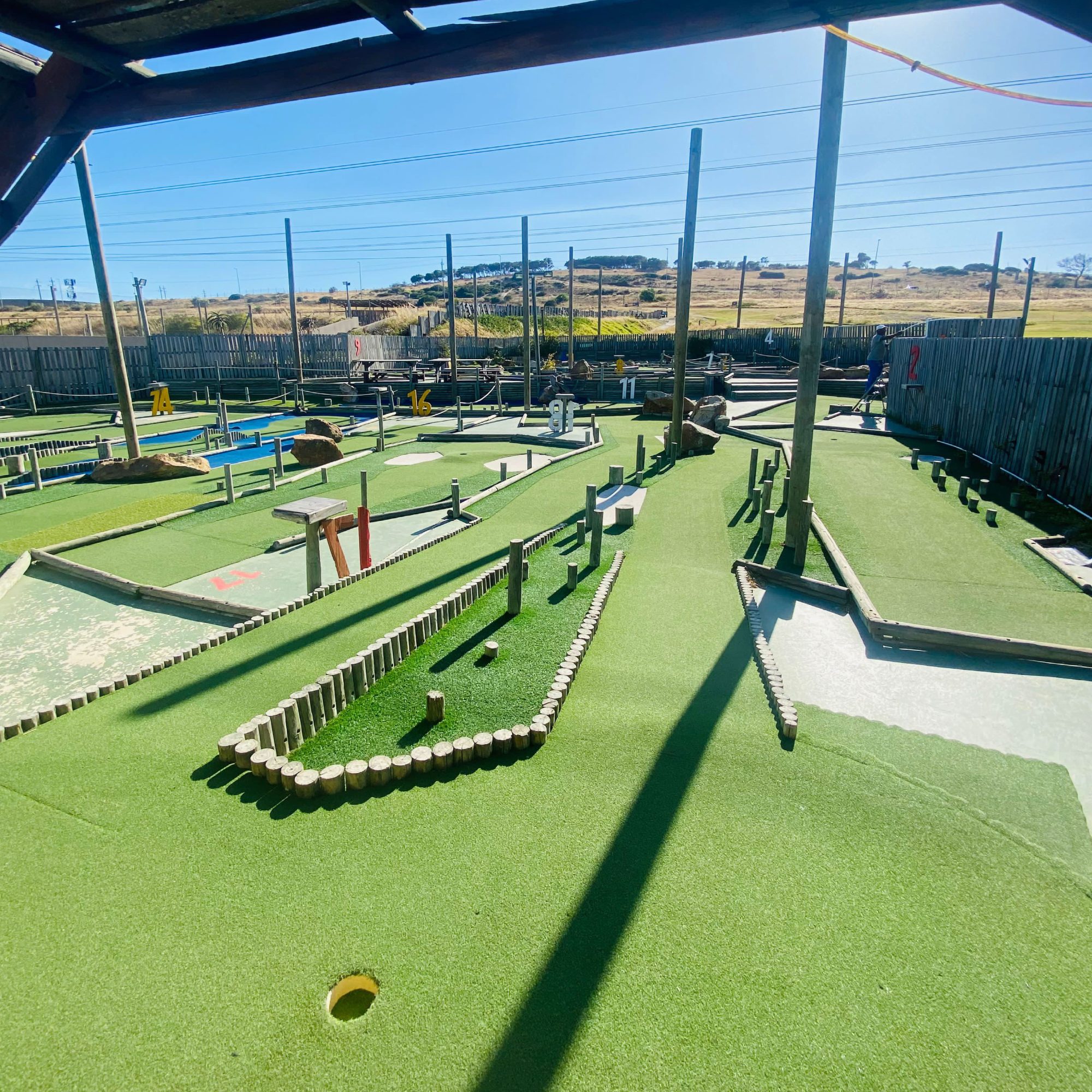
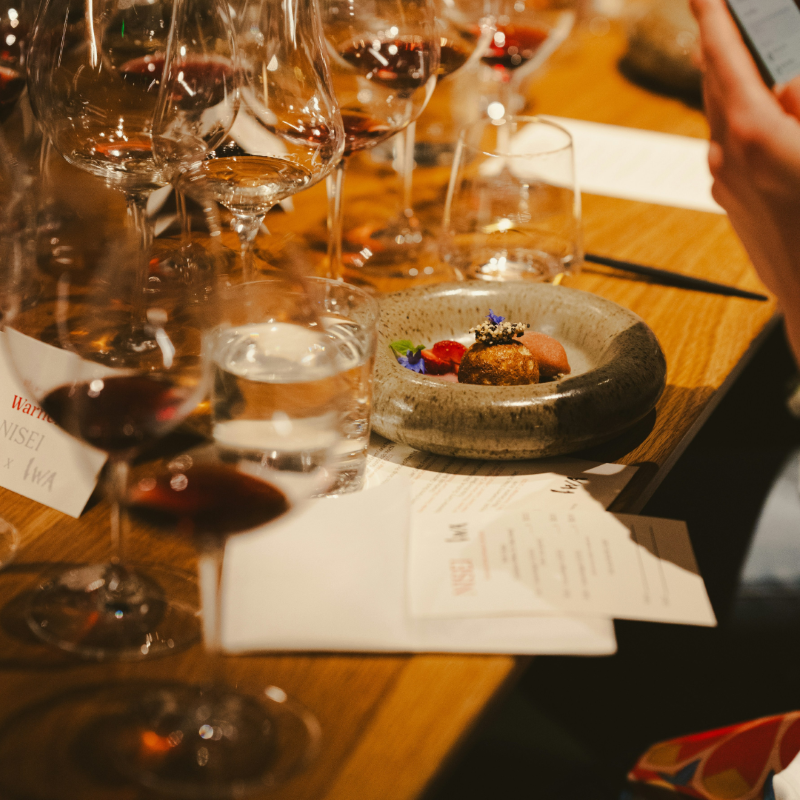
For teams that spend much of their time working remotely or under deadline pressure, a change of setting can create opportunities for informal interaction beyond the usual working routine. For smaller groups, an executive breakaway may provide the opportunity to reflect on achievements and establish shared priorities. Larger teams might prefer a programme that combines business sessions with a relaxed social occasion. Interactive experiences, including cooking challenges and wine tasting, can also encourage collaboration without making the entire event feel like a formal training exercise.
At facilities like Granny Mouse Country House & Spa in the KwaZulu-Natal Midlands, corporate gatherings can incorporate conferencing facilities, accommodation, team-building experiences and access to the on-site spa. This allows businesses to tailor an event to their objectives, whether that means a leadership retreat, a team celebration or a combination of professional development and downtime
“The most effective events are those where the details support the reason everyone has gathered. When people feel comfortable, properly looked after and able to engage with one another, the experience becomes much more valuable,” Granger says.
Make the meaning last beyond December
As businesses begin planning their final gatherings of 2026, the starting point is to decide what they want employees to take away from the experience. A clear purpose can help ensure the event feels relevant to the people attending, rather than simply another item on the year-end checklist.
Image supplied by Granny Mouse Country House & Spa.